When buying a mechanical watch, many first-time buyers assume that higher prices automatically mean higher quality. Luxury brands often reinforce this belief with heritage stories, iconic logos, and carefully curated boutiques. Microbrands, by contrast, operate quietly - online, independently, and with far less visibility.
Yet when you look beyond branding and ask what you’re actually paying for, the picture becomes far more interesting.
This article explores the real differences between microbrand watches and luxury brand watches, breaking down where your money goes - and what truly matters when choosing a mechanical timepiece.
The Power of the Luxury Brand Name

Luxury watch brands sell more than watches. They sell:
-
Heritage narratives
-
Status and recognition
-
Emotional aspiration
-
Consistency and familiarity
A significant portion of a luxury watch’s price reflects:
-
Global marketing campaigns
-
Flagship boutiques and retail margins
-
Sponsorships and ambassadors
-
Brand equity built over decades
- Research and development costs
None of this is inherently negative. For many buyers, prestige and recognition are part of the appeal. But it’s important to understand that you are paying for far more than materials and manufacturing.
What Microbrands Do Differently

Microbrands take a fundamentally different approach.
Instead of investing heavily in advertising and retail presence, microbrands focus on:
-
Design originality
-
Component quality
-
Direct-to-consumer pricing
-
Smaller production runs
-
Enthusiast communities
By selling online and operating leanly, microbrands can allocate a larger portion of the price directly to:
-
Case finishing
-
Sapphire crystals
-
Higher-grade movements
-
Improved dial textures and details
The result is often exceptional value for money, especially for buyers who prioritise craftsmanship over recognition.
Movements: Similar Engines, Different Stories

One of the most surprising realities for new buyers is this:
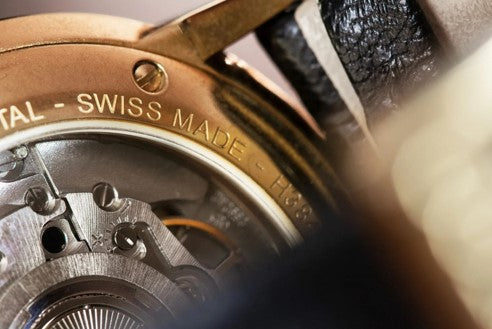
Many microbrands and luxury brands use very similar movements.
Reliable Swiss or Japanese automatic movements appear across all price tiers. In many cases, the difference lies not in the movement itself, but in:
-
Branding
-
Decoration level
-
Regulation standards
-
Case and dial execution
Luxury brands may decorate movements more extensively or adjust them to tighter tolerances. Microbrands often focus on regulation and reliability without unnecessary embellishment.
For everyday wear, the ownership experience can be remarkably similar.
Case, Dial and Finishing: Where Value Becomes Visible

This is where microbrands often shine.
Because they are not funding large marketing operations, microbrands can often:
-
Focus more on overall finishing
-
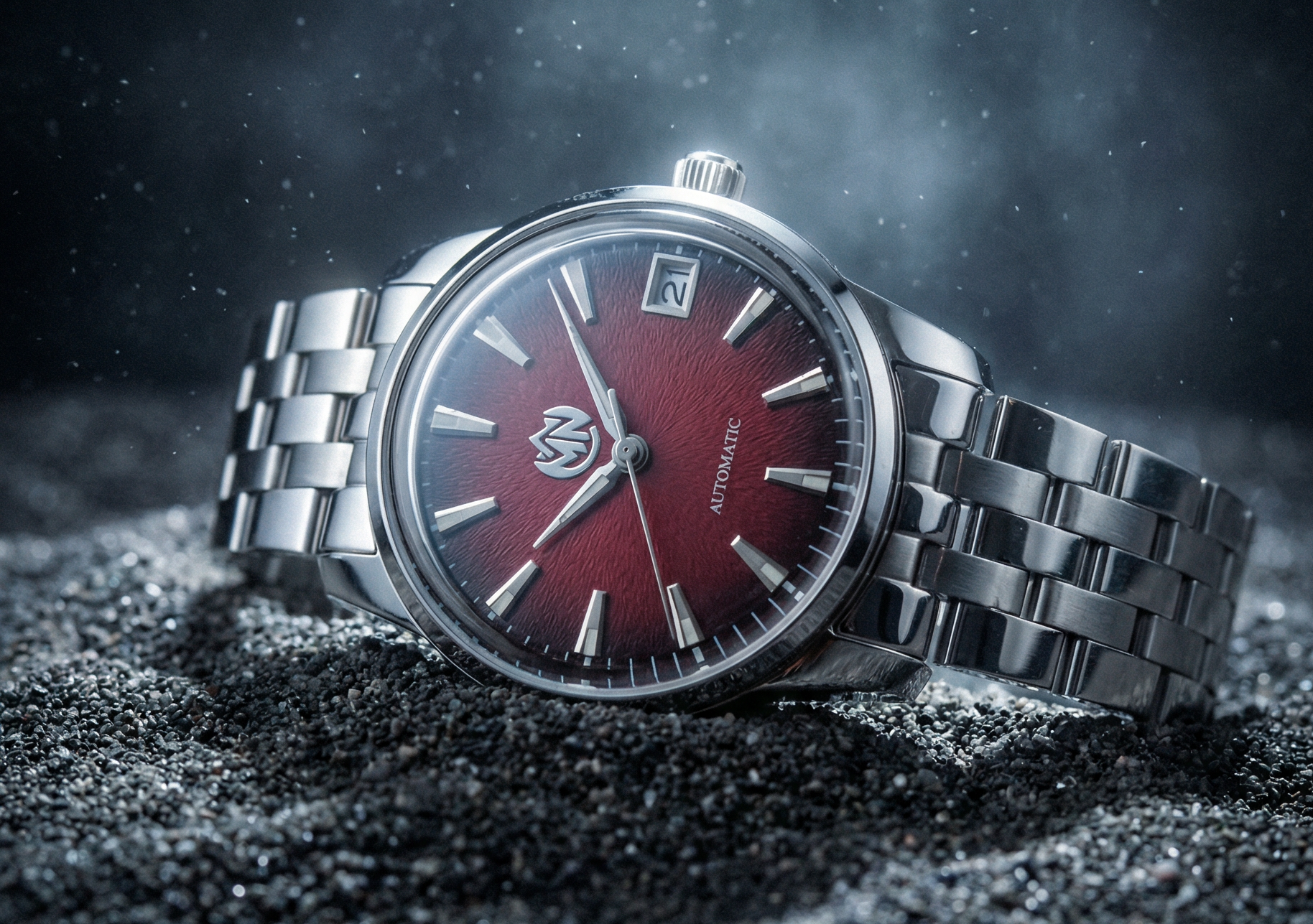
Apply more complex dial textures
-
Choose applied indices over printed ones
-
Invest in improved lume and crystal coatings
Luxury brands also offer excellent finishing - but at a much higher cost. The question becomes whether the additional refinement justifies the price difference for you.
For many enthusiasts, microbrands deliver 90% of the tactile quality at a fraction of the cost.
Exclusivity: Scarcity vs Visibility

Luxury brands create exclusivity through visibility - everyone knows the logo, and availability may be controlled.
Microbrands create exclusivity through:
-
Limited production runs
-
Unique designs
-
Low market saturation
-
Direct engagement with owners
Owning a microbrand watch often feels more personal. You’re unlikely to see the same watch on every wrist, and there’s a sense of being part of a smaller, more passionate community.
Customer Experience: Boutique vs Direct Connection
Luxury brands excel at curated retail experiences - boutiques, hospitality, and consistency.
Microbrands offer something different:
-
Direct communication with founders or designers
-
Transparent decision-making
-
Faster feedback loops
-
A sense of shared enthusiasm
For many buyers, this personal connection enhances the ownership experience far beyond what a logo can offer.
Resale Value and Longevity
Luxury watches often retain resale value better - especially iconic models. Microbrands are rarely purchased as investments.
But for buyers focused on wearing and enjoying a watch, resale value is often secondary to:
-
Comfort
-
Design longevity
-
Emotional connection
-
Daily satisfaction
A thoughtfully designed microbrand watch that suits your lifestyle may offer greater long-term enjoyment than a luxury piece chosen for status alone.
So - What Are You Really Paying For?
When you buy a luxury watch, you’re paying for:
-
Brand recognition
-
Heritage storytelling
-
Retail experience
-
Global marketing
When you buy a microbrand watch, you’re paying for:
-
Design and materials
-
Manufacturing quality
-
Attention to detail
-
Value efficiency
Neither choice is “right” or “wrong.” The right choice depends on what you value most.
Conclusion: Choose Substance Over Assumptions
Microbrands and luxury brands serve different motivations. Understanding this distinction empowers buyers to make informed, confident decisions - rather than defaulting to price or reputation.
For many modern collectors, microbrands represent a shift toward:
-
Transparency
-
Authenticity
-
Craft-focused value
-
Personal connection
At MN Watches, we believe a watch should earn its place on your wrist through quality, design, and honesty - not just a name.
The best watch isn’t the most expensive one.
It’s the one that feels right every time you wear it.
Ready to start building your collection? Browse our mechanical watches now!
Learn more about MN Watches and our design philosophy here.
To see our most recent watch builds, click here.