Buying your first mechanical watch is a moment every collector remembers. Unlike digital devices, mechanical watches have personality, craftsmanship, and timeless appeal. But with so many styles, movements, and specifications available, choosing the right one can feel overwhelming.
This guide breaks down the 7 essential things every new collector should know - so you can confidently pick a watch that fits your style, budget, and long-term satisfaction.
Whether you're browsing microbrands, entry-level Swiss timepieces, or Japanese automatics, this article will help you make a smart, informed choice.
1. Understand What Makes a Watch “Mechanical”

Mechanical watches are powered by springs and gears - not batteries.
Two main types:
-
Manual-wind – requires winding by the crown
-
Automatic – winds itself with wrist motion thanks to a rotor
Why this matters for first-time buyers:
-
Automatic watches offer convenience
-
Manual watches offer connection and tradition
Many beginners choose automatics for daily wear, but both are excellent options depending on preference.
2. Choose a Style That Matches Your Lifestyle

Image source: Copyright MN Watch Designs 2025
Mechanical watches come in distinct categories, each designed for specific uses:
Diver’s Watches
Rugged, water-resistant, timeless. Great daily wearers.
Field Watches
Military-inspired, legible, practical.
Dress Watches
Minimalist, elegant, perfect for formal wear.
Pilot Watches
Large, bold, highly legible.
Everyday / Sport Watches
Versatile all-rounders for work and weekends.
Tip: If you're unsure which style to choose, start with a versatile everyday or diver’s watch - they suit most outfits and occasions.
3. Prioritise Build Quality: Materials Matter
 Image source: Oleg Gapeenko (Vecteezy.com)
A well-built watch doesn’t need to be expensive.
Look for:
-
316L stainless steel or titanium
-
Sapphire crystal (far more scratch-resistant than mineral glass)
-
Solid bracelet links & endlinks (not folded metal)
-
Quality finishing (brushed surfaces, polished chamfers)
These features ensure durability, comfort, and a premium feel—especially important for new buyers.
4. Understand the Movement (The Engine of the Watch)

Image source: Sellita.com
Movement choice affects accuracy, reliability, and service cost.
Recommended movements for first-time buyers:
-
Sellita SW200 / SW300 – Swiss, accurate, widely trusted
-
Miyota 9015 – Japanese high-beat, slim, reliable
-
Seiko NH35 – Affordable, rugged, easy to service
What to consider:
-
Accuracy (−20 to +40 sec/day is normal for non-chronometers)
-
Serviceability (can your local watchmaker maintain it?)
-
Winding feel & rotor noise (personal preference)
A good movement is the foundation of a satisfying ownership experience.
5. Case Size & Fit: Comfort Is Everything

Case diameter alone doesn’t determine how a watch fits.
The three important dimensions:
-
Diameter: 38–41mm suits most beginners
-
Thickness: Under 12mm is ideal for comfort
-
Lug-to-lug length: Most crucial—affects how the watch sits on the wrist
For small/medium wrists, aim for a lug-to-lug under 48mm.
Try this: Compare watches on your wrist, not just on paper. Two 40mm watches can feel completely different depending on lug shape, bezels, and case profile.
6. Consider the Brand: Trust, Transparency & Value

When buying your first mechanical watch, brand reputation matters - but not always in the way people think.
What to look for:
-
Transparent specifications
-
Quality control practices
-
Good customer service
-
Clear return/warranty policies
-
Authentic photography and honest descriptions
Why microbrands (like MN Watches) are great for beginners:
-
Better value than big brands
-
Unique designs
-
Direct connection with the creator
-
Limited production runs = more exclusivity
Beginners often find microbrands the most rewarding entry point into watch collecting.
7. Choose a Watch You’ll Still Love a Year From Now

Image source: Nomos
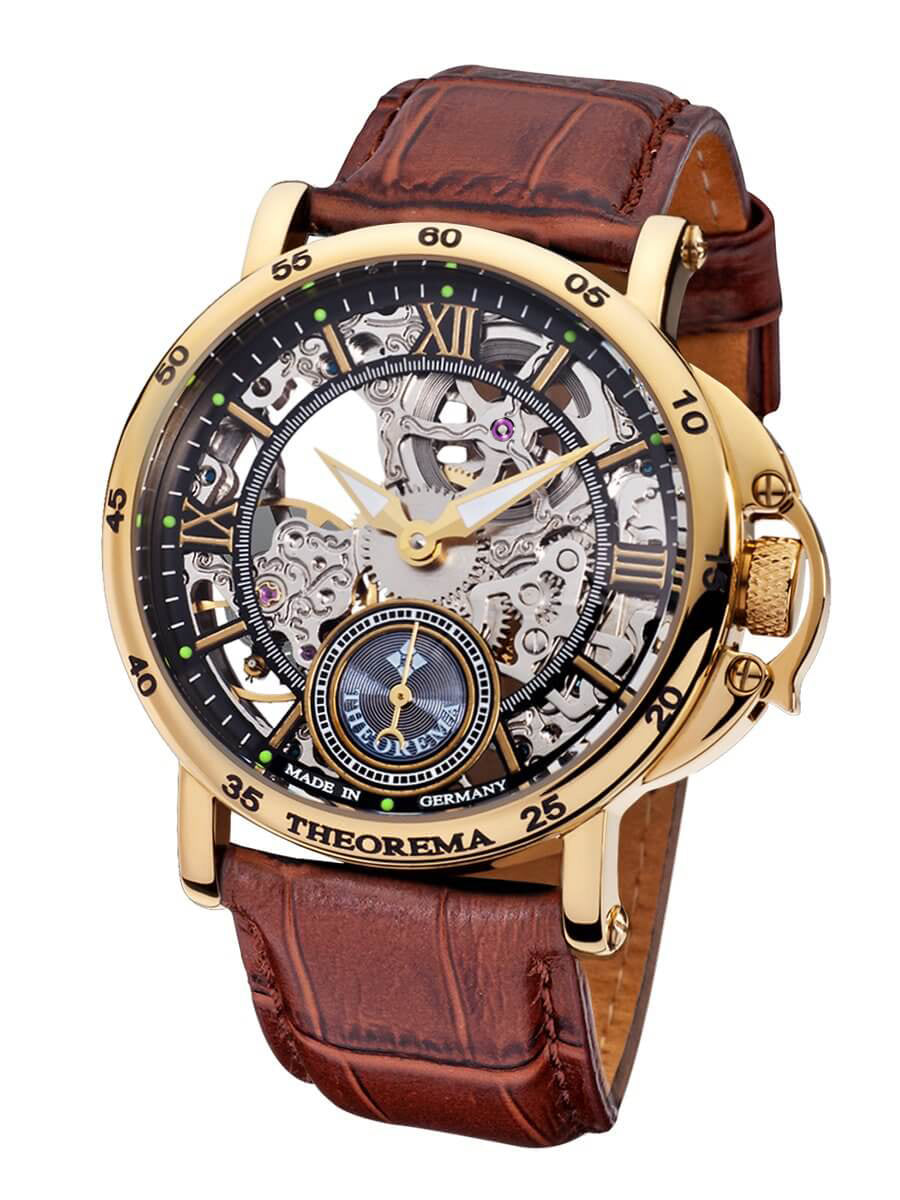
Image source: Theorema
The biggest mistake new buyers make?
Choosing a watch based on hype instead of personal taste.
Trends fade. Timeless design lasts.
Ask yourself:
-
Is this watch versatile?
-
Does it fit my daily lifestyle?
-
Will I enjoy wearing it months from now?
-
Does it represent my style—not someone else’s?
Your first mechanical watch should feel like a long-term companion, not just a quick purchase.
Bonus Tip: Set a Realistic Budget
Most new collectors find excellent mechanical watches in the:
CHF 250 – CHF 800 range for Japanese movements (entry level)
CHF 600 – CHF 1,300 range for Swiss movements (entry level)
At these levels, you get:
-
Sapphire crystal
-
Solid steel
-
Reliable automatic movement
-
Good lume
-
Quality finishing
You don’t need to overspend to get a great watch.
Conclusion: Your First Mechanical Watch Should Be a Piece You’re Proud to Wear
Choosing your first mechanical watch is about more than specs. It’s about finding a timepiece that matches your style, offers quality craftsmanship, and becomes something personal.
By focusing on these seven essentials—movement, style, materials, size, brand trust, comfort, and long-term appeal—you’ll make a smart purchase you’ll enjoy for years.
Whether you're buying from a start-up microbrand like MN Watches or exploring the broader market, a well-chosen mechanical watch is the beginning of a rewarding journey into horology.
Ready to start building your collection? Browse our mechanical watches now!
Learn more about MN Watches and our design philosophy here.
To see our most recent watch builds, click here.