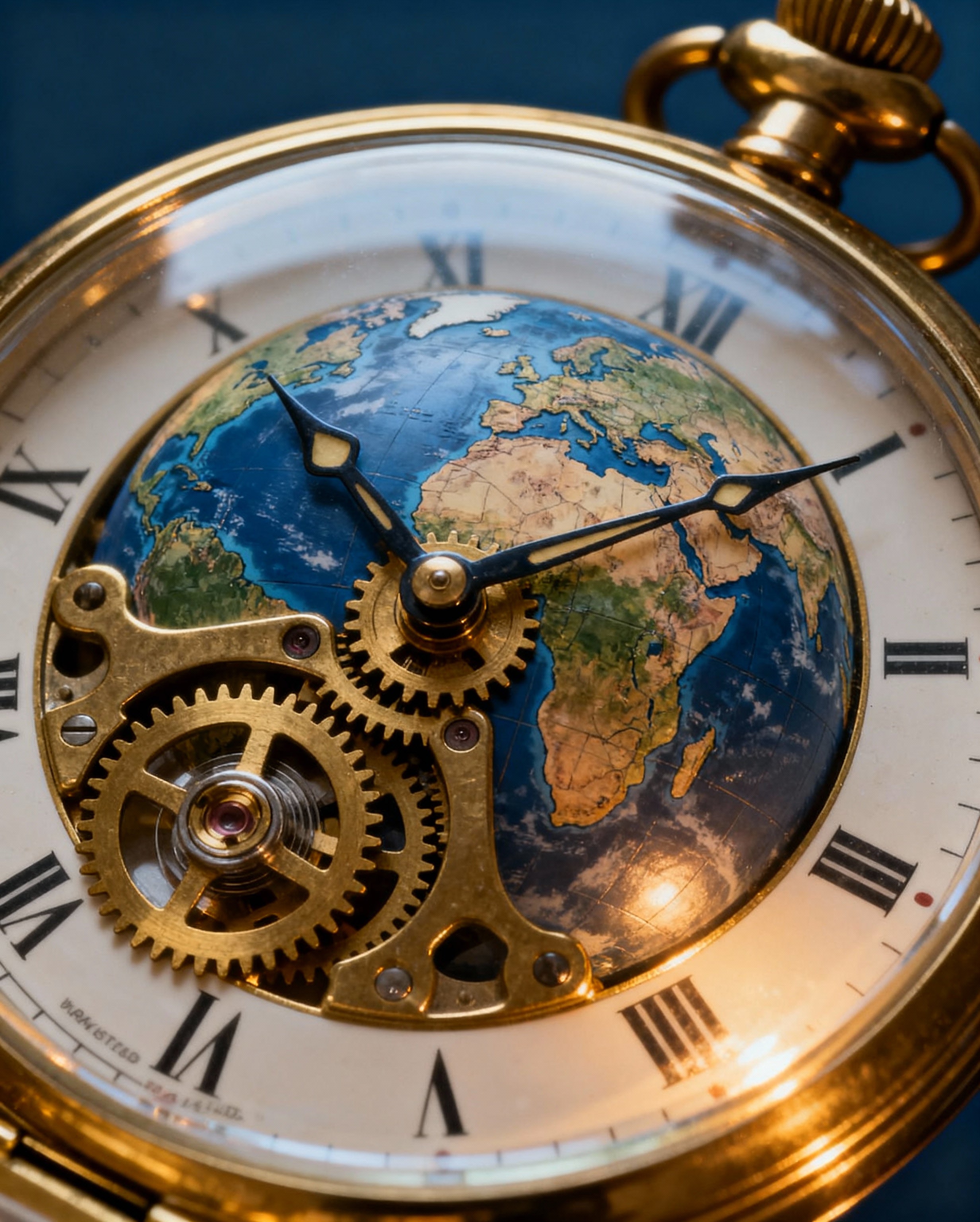
When shopping for a mechanical watch, it’s easy to be influenced by brand names, price tags, or words like luxury and heritage. But true quality in watchmaking has very little to do with marketing—and everything to do with execution.
A high-quality watch is the result of hundreds of small decisions made correctly: the way a case is finished, how a dial catches the light, how smoothly the crown turns, or how evenly lume is applied. These details separate watches that merely look good from those that feel right every time you wear them.
This guide explains what genuinely defines a high-quality mechanical watch—and how buyers can recognise it with confidence.
Quality Starts With the Case
Most mechanical watches use stainless steel, but quality isn’t determined by the material alone—it’s defined by how it’s finished.
A well-made case shows clean transitions between brushed and polished surfaces, sharp yet refined chamfers, and consistent geometry across all angles. There should be no uneven edges, soft lines, or visible tool marks. When light moves across the case, the finishing should feel deliberate and balanced, not flat or dull.
This is often the first tactile clue that a watch has been made with care.
The Crystal: Clarity and Durability Matter
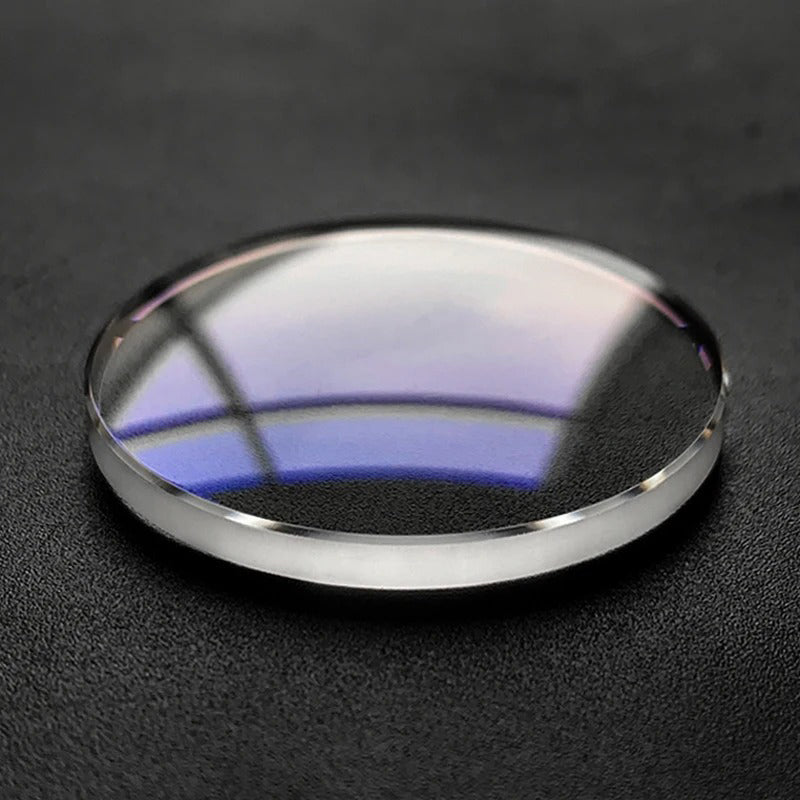
The crystal protects the dial and plays a major role in how premium a watch feels. Modern high-quality mechanical watches should use sapphire crystal, which is highly scratch-resistant and remains clear over years of wear.
A further sign of quality is anti-reflective coating—ideally applied to the underside of the crystal. This reduces glare and allows the dial to be read easily in bright conditions. Poor crystals distort the dial at angles or reflect excessively, undermining even the best design.
The Movement: Reliability Over Romance
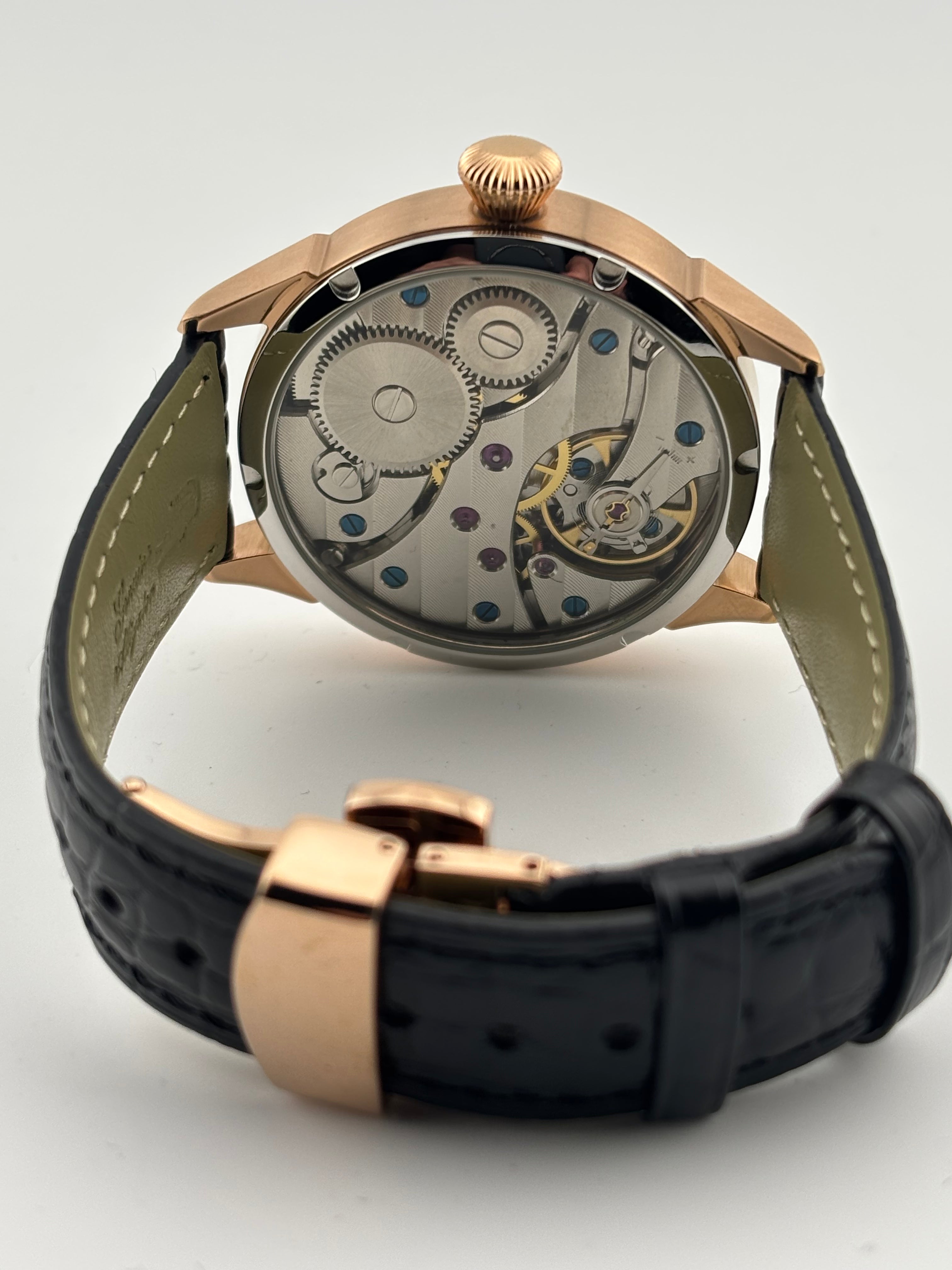
A mechanical watch is only as good as its movement—but “high quality” doesn’t necessarily mean exotic or in-house.
What matters most is that the movement is:
-
Proven and reliable
-
Properly regulated
-
Easy to service
-
Supported long-term
Well-known Swiss and Japanese automatic movements are popular for good reason: they offer excellent durability, consistent performance, and realistic service costs. A smoothly winding crown, stable power reserve, and predictable accuracy are far more important than marketing prestige.
For buyers, a dependable movement is the foundation of a positive ownership experience.
Dial Quality: Where Craft Becomes Visible

The dial is where quality is most immediately visible—and most often exposed.
High-quality dials feature crisp printing, perfectly aligned markers, cleanly cut date windows, and even colour application. Textures such as sunburst brushing, matte finishes, or fine grain should look controlled and intentional, not rough or inconsistent.
Applied indices should sit flat and catch the light evenly. Any misalignment, smudging, or dust under the crystal is a clear sign of weak quality control.
Hands: Small Components, High Standards
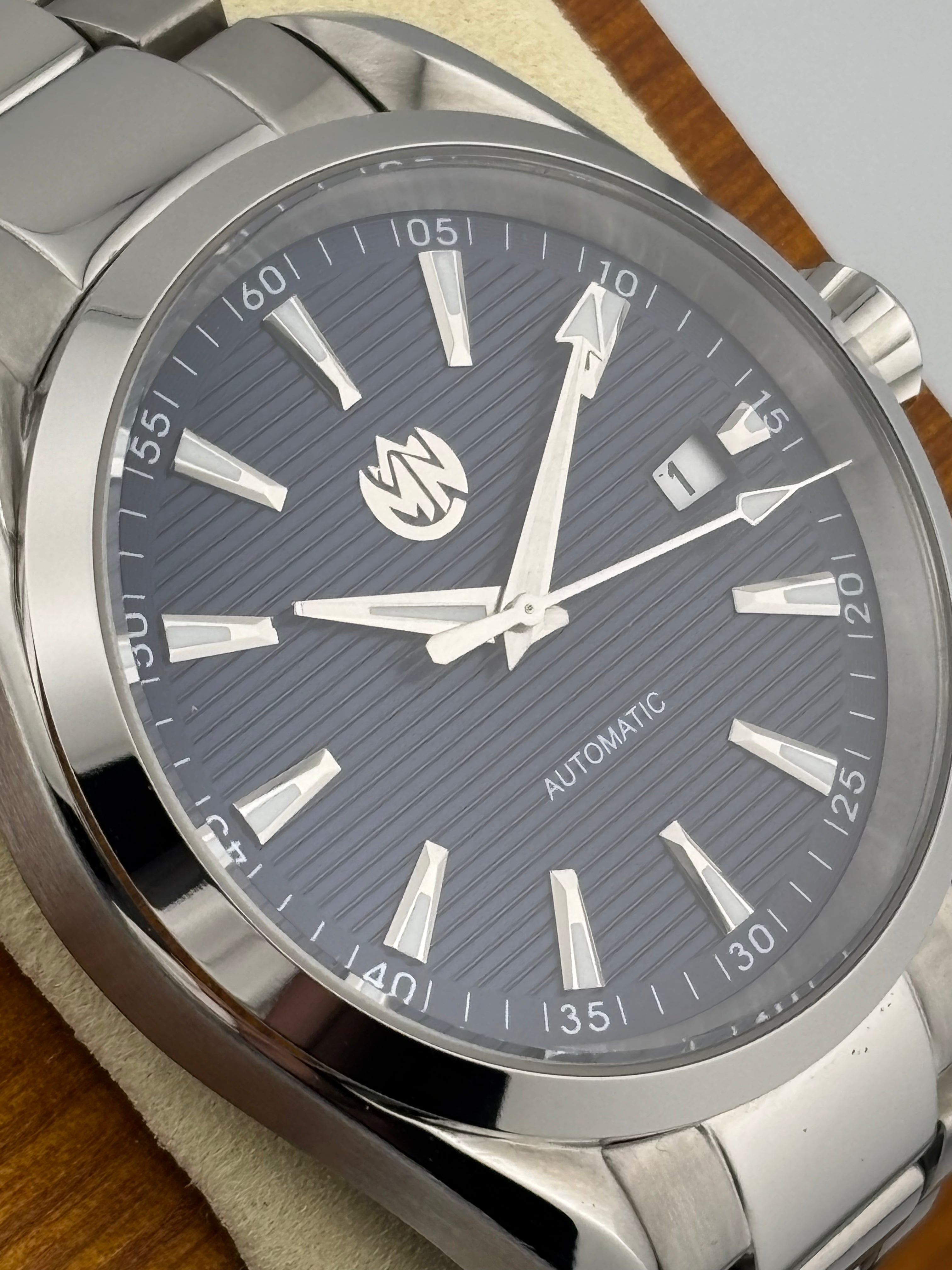
Watch hands are unforgiving. Even small imperfections are easy to notice once you know where to look.
High-quality hands have clean edges, correct proportions, and precise alignment—especially at 12 o’clock. The minute hand should reach the minute track, and lume should be applied evenly across all hands and markers.
Poor hand finishing is one of the most common shortcuts in lower-quality watches.
Lume: Consistency Over Gimmicks
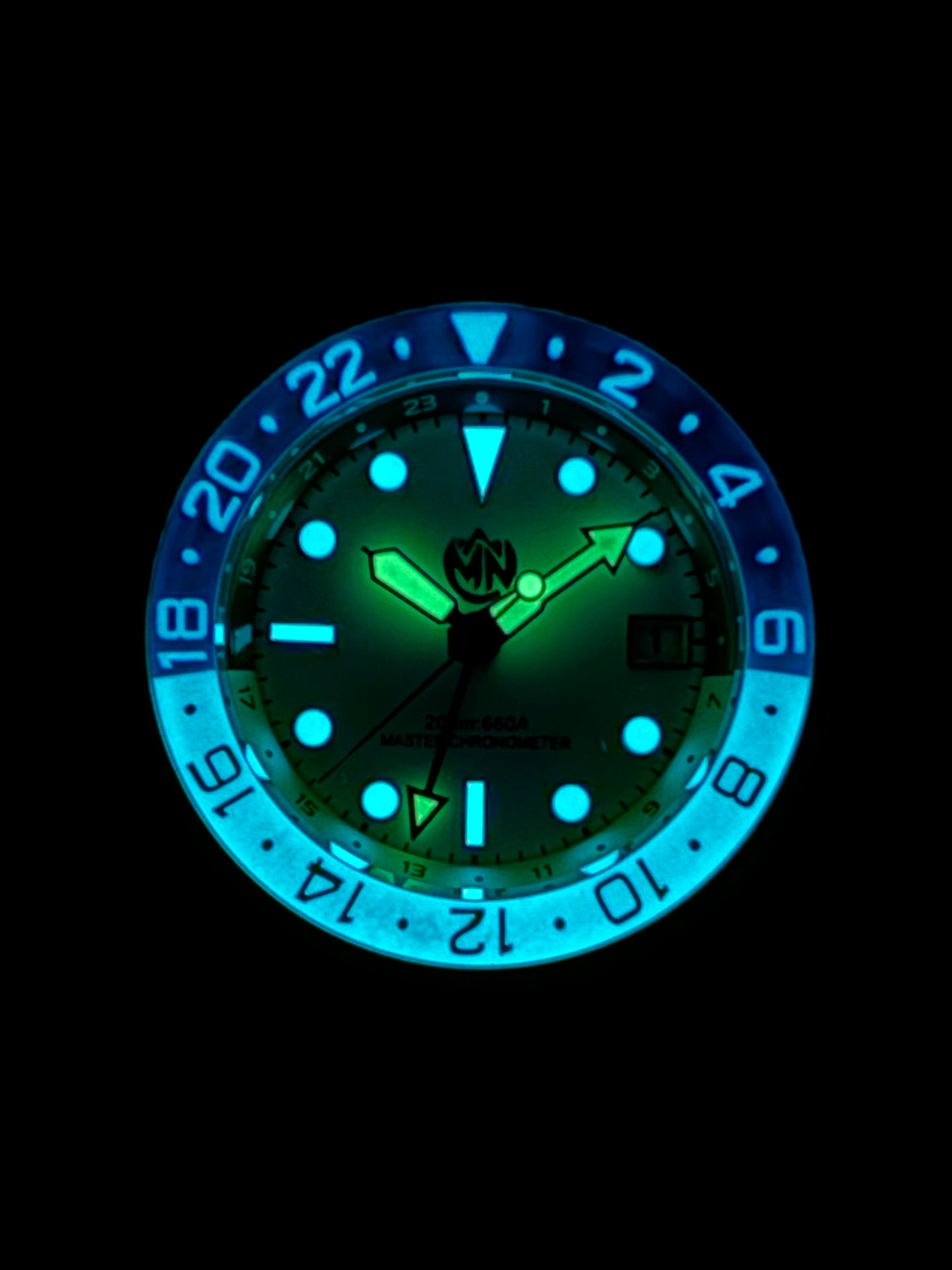
Lume quality isn’t just about how bright it glows initially—it’s about how evenly it’s applied and how well it performs over time.
A high-quality watch shows uniform lume colour, consistent brightness across all markers, and reasonable longevity in darkness. Patchy application or mismatched tones immediately undermine perceived quality, even if the lume appears bright at first glance.
What You Don’t See Matters Too
Quality extends beyond what’s visible on the dial side. A well-made watch should feel solid in the hand, with no crown wobble, no rattling rotor, and secure assembly throughout.
Water resistance ratings should reflect real engineering—proper gaskets, sealed crowns, and correct torque during assembly. Even for non-divers, solid sealing is a sign of professional construction.
The Role of Tolerances and Assembly

High-quality watches are built to tight tolerances. This is felt in the smoothness of the crown, the precision of alignment, and the overall solidity of the watch.
Loose components, misaligned bezels, or inconsistent operation are rarely isolated issues—they usually indicate broader quality control problems.
Brand Philosophy Matters More Than Branding
Finally, quality is shaped by the values of the brand behind the watch.
Brands that prioritise transparency, realistic specifications, consistent QC, and honest communication tend to deliver better long-term satisfaction—regardless of size. This is why many collectors find exceptional quality and value in independent and microbrand watches.
Conclusion: Real Quality Is Felt, Not Advertised
A high-quality mechanical watch isn’t defined by a logo or price. It’s defined by how well every component has been thought through and executed—from the crystal and case finishing to the movement choice and dial alignment.
When buyers learn to recognise these details, they gain confidence, avoid overpaying, and choose watches they genuinely enjoy wearing.
At MN Watches, quality is not a claim—it’s a standard built into every design decision, from the first sketch to the final inspection.
To help prospective buyers, we've created this simple checklist to guide you when considering your first (or next) purchase...
Mechanical Watch Buyer Checklist
How to Identify a High-Quality Watch Before You Buy
A watch that meets most or all of these criteria is genuinely high quality—regardless of brand name or price.
1. Case & Construction
☐ Case made from 316L stainless steel, titanium, or equivalent
☐ Clean transitions between brushed and polished surfaces
☐ Sharp, even chamfers (bevels) — not rounded or poorly defined
☐ No visible tool marks, rough edges, or uneven finishing
☐ Solid, reassuring feel in the hand (no rattles)
Why it matters:
Case finishing is one of the clearest indicators of overall build quality and attention to detail.
2. Crystal & Visibility
☐ Sapphire crystal (minimum on the front)
☐ Clear view of the dial with minimal distortion at angles
☐ Anti-reflective coating (ideally underside AR)
☐ Clean crystal edge finishing
Why it matters:
Sapphire protects the dial long-term and keeps the watch looking new after years of wear.
3. Movement (The Engine)
☐ Proven mechanical movement (Swiss or Japanese)
☐ Automatic or manual winding (no battery)
☐ Smooth crown winding with consistent resistance
☐ Power reserve of 38–70 hours
☐ Realistic accuracy expectations stated by the brand
☐ Widely serviceable by independent watchmakers
Why it matters:
Reliability and serviceability are more important than exotic movement names.
4. Dial Quality
☐ Crisp, clean printing (no fuzzy text)
☐ Applied indices sit flat and are evenly spaced
☐ Even dial colour and texture
☐ Date window is cleanly cut and well positioned
☐ No dust, smudges, or misalignment visible under the crystal
Why it matters:
The dial is what you look at every day—imperfections here are impossible to ignore once noticed.
5. Hands & Alignment
☐ Cleanly finished hands with sharp edges
☐ Correct hand lengths (minute hand reaches minute track)
☐ Hands align precisely at 12 o’clock
☐ Smooth, consistent movement of the seconds hand
Why it matters:
Poorly finished or misaligned hands are common cost-cutting shortcuts.
6. Lume Performance
☐ Even lume application on all hands and markers
☐ Matching lume colour between hands and indices
☐ Good initial brightness
☐ Reasonable glow longevity (especially for sport watches)
Why it matters:
Quality lume improves usability and instantly reveals manufacturing standards.
7. Crown, Caseback & Sealing
☐ Crown feels secure with no wobble
☐ Screw-down crown (for sport or dive watches)
☐ Screw-down caseback
☐ Clean engraving or finishing on the caseback
☐ Proper gasket use for water resistance
Why it matters:
These hidden details directly affect durability and longevity.
8. Water Resistance (Realistic, Not Marketing)
☐ 50m+ for everyday wear
☐ 100m+ for swimming
☐ 200m+ for diving (with appropriate bezel and crown)
☐ Brand clearly explains intended use
Why it matters:
True water resistance requires engineering, not just numbers on a spec sheet.
9. Assembly & Tolerances
☐ Crown operation feels smooth and precise
☐ Bezel (if present) aligns perfectly
☐ No rotor noise beyond normal movement sound
☐ No looseness or play in components
Why it matters:
Tight tolerances separate well-made watches from average ones.
10. Brand Transparency & Support
☐ Clear specifications listed (materials, movement, crystal, WR)
☐ Honest product photography
☐ Clear warranty and return policy
☐ Evidence of quality control and testing
☐ Brand communicates openly and consistently
Why it matters:
A brand that values transparency usually values quality.
Quick Verdict Section
☐ This watch meets most or all of the above criteria
☐ The design feels timeless, not trend-driven
☐ I can see myself enjoying this watch a year from now
➡ If yes: you’re likely looking at a genuinely high-quality mechanical watch.
Final Thought
You don’t need to spend luxury-brand money to buy a high-quality mechanical watch. When you know what to look for, exceptional craftsmanship and long-term satisfaction are available at accessible price points—especially from transparent, quality-driven brands.
Ready to start building your collection? Browse our mechanical watches now!
Learn more about MN Watches and our design philosophy here.
To see our most recent watch builds, click here.